How to Naturally Boost Nitric Oxide: 5 Simple Strategies
Want to know how to naturally boost nitric oxide for better vitality? As we move through our 40s, 50s, and beyond, we start to notice subtle changes in our daily energy. Maybe that morning workout takes a little longer to bounce back from, or that 3:00 PM sluggishness is hitting a bit harder than it used to.
While we often blame aging or a lack of sleep, the real culprit might be something invisible happening right inside your blood vessels: a drop in Nitric Oxide.
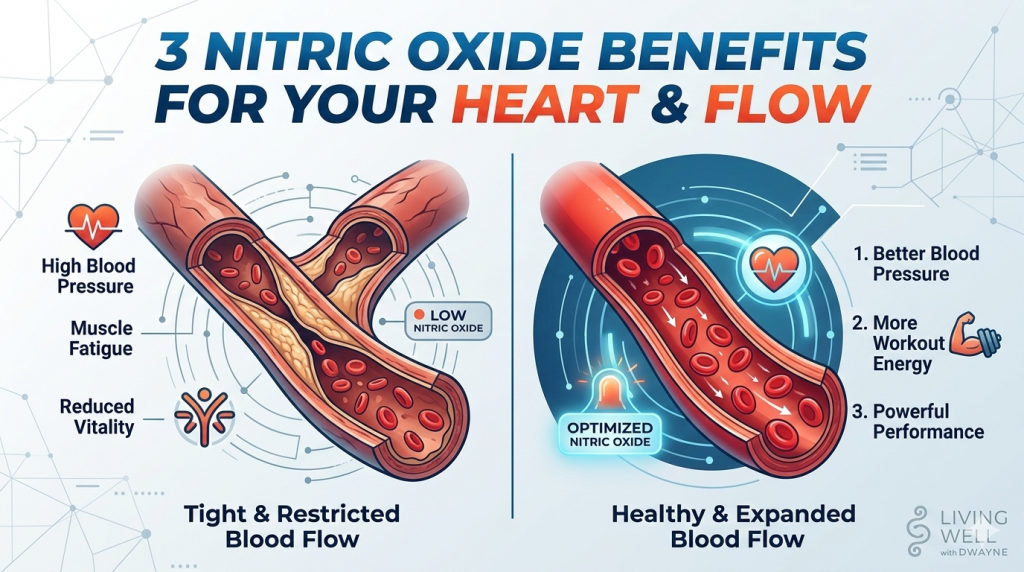
Nitric Oxide (NO) is a molecule your body naturally produces, and its primary job is to tell your blood vessels to relax and widen. If your natural levels are lagging, adding a clean NO booster supplement from HerbsPro is an easy way to help kickstart that essential circulation.
The catch? By the time we hit our 40s and 50s, our natural Nitric Oxide production can drop by as much as 50%. To counteract this age-related decline, topping up your system with a high-quality NO support blend can help bridge the gap and keep your stamina where it needs to be.
The good news is that you don’t need a prescription to turn the faucet back on. If you want to know how to naturally boost nitric oxide levels and reclaim your daily energy, here are five simple, everyday strategies to optimize your vascular health.
How to Naturally Boost Nitric Oxide: 5 Simple Strategies
1. Fill Your Plate with Dietary Nitrates
Your body can manufacture Nitric Oxide through what experts call the “nitrate-to-NO pathway.” When you eat foods rich in natural nitrates, your oral bacteria and stomach enzymes convert them directly into vitalizing Nitric Oxide.
To get the biggest bang for your buck, add these nitric oxide foods to your grocery list:
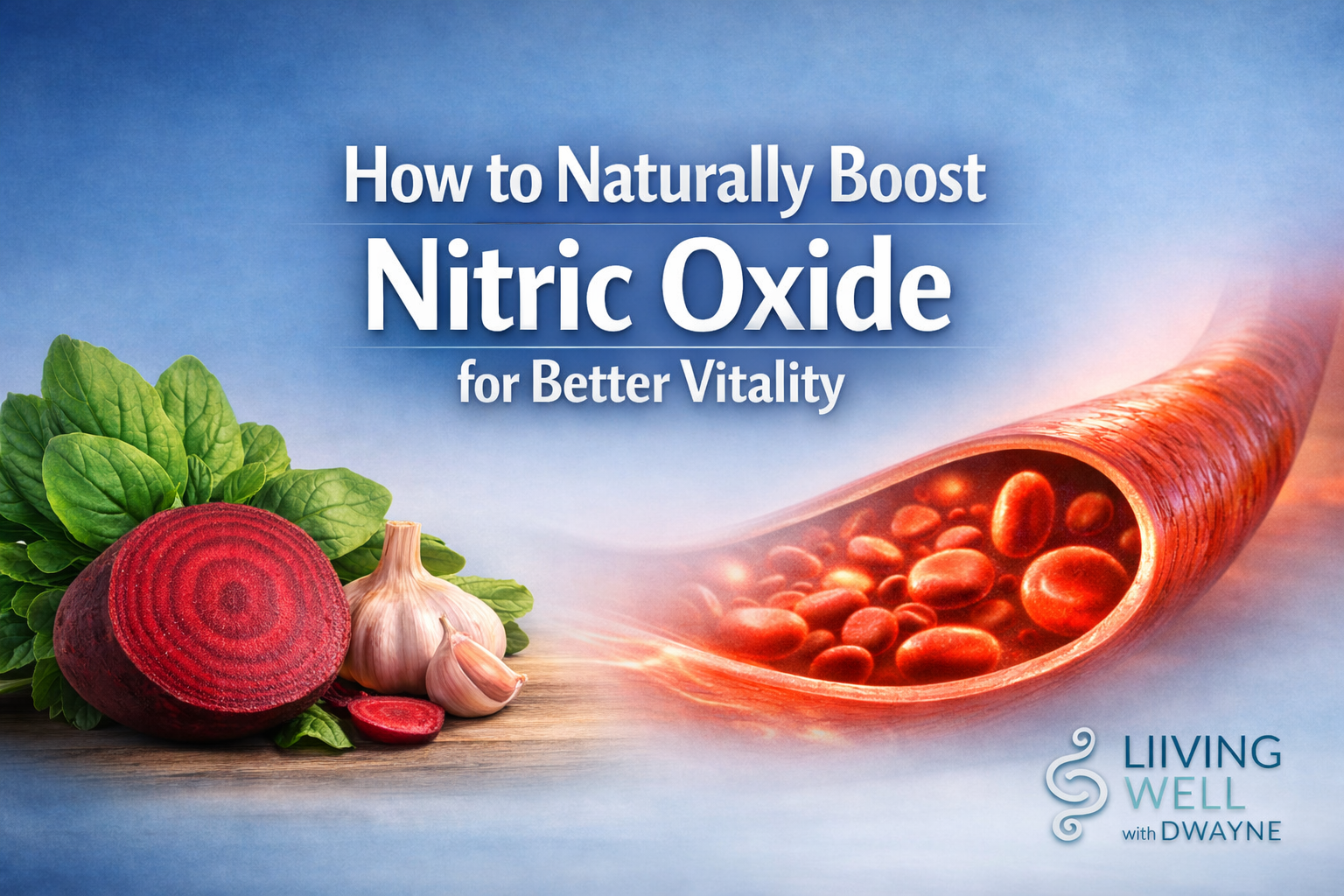
- Beetroot: Beets are the undisputed kings of dietary nitrates. Whether you roast them, juice them, or use a convenient, premium beetroot powder supplement from HerbsPro, they give your circulation a massive boost.
- Leafy Greens: Spinach, arugula, kale, and Swiss chard are packed with natural nitrates. A daily green salad is one of the easiest habits to adopt.
- Garlic: While garlic isn’t exceptionally high in nitrates, it activates an enzyme called nitric oxide synthase, which helps your body convert food into NO more efficiently.
2. Embrace the Power of Nasal Breathing
Believe it or not, how you breathe changes your body biochemistry. Your nasal passages naturally produce Nitric Oxide. When you breathe through your nose, you inhale that NO directly into your lungs, which helps expand your airways and allows your lungs to absorb more oxygen.
Mouth breathing completely bypasses this built-in health benefit. Try to focus on deep, steady nasal breathing during your daily walks, while sitting at your desk, or during low-intensity workouts.
3. Keep Moving (Consistency Wins)
When you exercise, your muscles demand more oxygen. To meet this demand, the inner lining of your blood vessels (the endothelium) gets a signal to pump out more Nitric Oxide.
Over time, consistent exercise actually trains your blood vessels to become better at producing NO on their own. You don’t have to run marathons, either. Engaging in activities you enjoy—like walking the golf course, swimming, or a light resistance training session—keeps the endothelial lining healthy and active.
4. Don’t Overuse Antibacterial Mouthwash
This is one of the most overlooked factors in vascular health. To convert dietary nitrates from your food into Nitric Oxide, you rely on beneficial bacteria that live on your tongue.
Strong, alcohol-based antibacterial mouthwashes are designed to kill 99% of bacteria—but they don’t differentiate between the bad stuff and the good stuff. Clinical studies compiled by National Institutes of Health (PMC) have shown that frequent use of strong mouthwash can wipe out these helpful bacteria, leading to a noticeable drop in Nitric Oxide production and even temporary increases in resting blood pressure. Consider switching to a gentle, alcohol-free rinse or scraping your tongue instead.
5. Harness the Power of Vitamin C and Antioxidants
Nitric Oxide is a bit volatile; once your body creates it, it degrades quickly in the bloodstream. You can protect your NO from breaking down by consuming plenty of antioxidants.
Vitamin C and Vitamin E act like a shield for Nitric Oxide molecules, extending their lifespan so your body can utilize them longer. Pairing nitrate-rich foods with antioxidants—like throwing berries into a spinach smoothie or squeezing fresh lemon juice over roasted beets—creates a perfect synergy for your circulation.
Learning how to naturally boost nitric oxide isn’t just about production; it’s also about preserving it
Frequently Asked Questions About Nitric Oxide
What are the main symptoms of low nitric oxide? Common signs of low nitric oxide levels include persistent fatigue, poor workout recovery, cold hands and feet, high blood pressure, and a general lack of mental clarity or physical stamina.
How long does it take to increase nitric oxide levels? You can actually see an increase in your bloodstream within 2 to 3 hours of consuming nitrate-rich foods like beet juice or spinach. For long-term vascular health improvements, a consistent routine of diet and exercise will yield noticeable results in about 2 to 4 weeks.
Are there other ways how to naturally boost nitric oxide besides diet? Yes, many people use dietary supplements containing L-arginine, L-citrulline, or beetroot powder. These provide the body with the raw building blocks needed to support natural nitric oxide production.
Final Thoughts
Maintaining your vitality as a Gen Xer isn’t about finding a magic fountain of youth; it’s about supporting the natural systems your body already has in place. By adding a few nitrate-rich foods to your meals, staying active, and breathing intentionally, you can optimize your circulation from the inside out.
Want to learn more about what this molecule actually does for you? Explore our full breakdown of the 3 key Nitric Oxide benefits that support your heart and overall flow.